
How much does a jewelry appraisal cost?
Most independent appraisers in the US charge $50 to $150 per item or $75 to $200 an hour. Below: what moves the price, what an insurance appraisal includes, the fee structures to avoid, and how to find a certified appraiser.
Certified Legal Document
A formal appraisal is a certified legal valuation conducted by a credentialed gemmologist (GIA GG, ASA, NAJA) measuring carat weight, color, clarity, and metal assay in person.
Appraisal Costs & Rates
Professional appraisers charge $75 to $200 per hour or a flat rate of $50 to $150 per item. Never work with an appraiser who charges a percentage of the item’s value.
Insurance Replacements
Insurance policies require formal appraisals to establish retail replacement cost. Insurers typically require updated appraisals every 3 to 5 years.
Finding Appraisers Near You
Search accredited directories like NAJA, ASA, or AGS. Screen your jewelry with an online photo identifier first to avoid spending appraisal fees on costume pieces.
What is a jewelry appraisal?
What is a jewelry appraisal? Unlike an informal opinion or an online visual estimate, a jewelry appraisal is a formal, legally binding document produced by a trained gemmological appraiser. It establishes the identity, composition, condition, quality grading, and monetary valuation of an item of jewelry on a specific date.
A complete appraisal document contains:
- Detailed physical description of mount fabrication (die-struck, cast, or hand-fabricated).
- Precious metal test results (such as 14K, 18K yellow gold, 950 platinum) and total gram weight.
- Gemstone identification and grading: diamond 4Cs (Carat weight, Color grade, Clarity grade, Cut quality) or coloured gemstone species, origin, and treatment status.
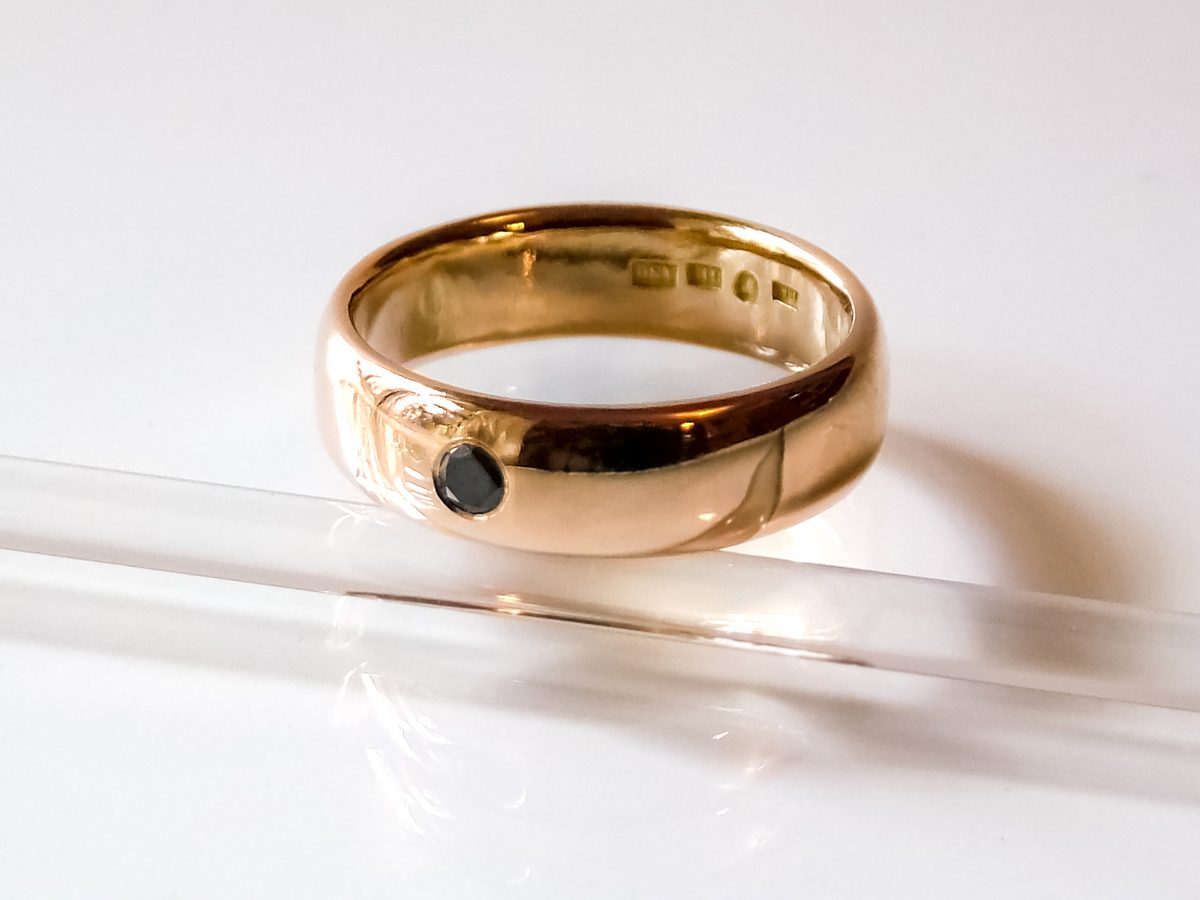
- High-resolution macro photographs of stamps, maker's marks, and settings.
- The specific purpose and valuation market defined by the client.
- The appraiser's signature, professional accreditation number, and seal.
Types of jewelry appraisal services
A reputable jewelry appraiser will ask you why you need an appraisal before they start examining the piece. The monetary value assigned depends directly on the legal context of the appraisal:
- Insurance Replacement Value (Retail Replacement): The most common appraisal type. It calculates the realistic cost to replace the piece with a brand-new, identical item of like kind and quality at a typical retail jewelry store. This figure includes retailer markup and is usually the highest valuation number.
- Estate Appraisal (Fair Market Value): Required by tax authorities (such as the IRS) for estate planning, inheritance tax, or probate. Fair market value reflects the price agreed upon between a willing buyer and willing seller in the secondary market, which is significantly lower than retail replacement.
- Liquidation Appraisal: Reflects what a seller would receive in a fast, forced sale, such as at auction or selling directly to a scrap precious metal dealer.
- Divorce & Equitable Distribution: Used in legal property settlements, typically assessed at fair market value.
Jewelry appraisal cost: What should you expect to pay?
One of the most frequent consumer questions is: what is the typical jewelry appraisal cost?
Professional appraisal rates in the United States and Europe follow standard pricing models:
- Per-Item Flat Fee: Most standard pieces (such as a modern engagement ring or simple diamond pendant) cost $50 to $150 per item.
- Hourly Rate: For estates with dozens of pieces, unmounted gemstones, or complex antique jewelry requiring provenance research, appraisers charge $75 to $200 per hour.
Critical Rule: Never hire an appraiser who charges a percentage fee based on the appraised dollar value of your jewelry. Charging a percentage is a direct conflict of interest prohibited by the Uniform Standards of Professional Appraisal Practice (USPAP) and major appraisal bodies.
Jewelry appraisal for insurance: Protect your valuables
Why do you need a jewelry appraisal for insurance? Most standard homeowner or renter insurance policies automatically cap theft or loss of unscheduled jewelry at $1,000 to $2,500 total, often with a $500 limit per piece. If an engagement ring worth $8,000 is lost or stolen, your basic policy will not cover the loss.
To obtain full coverage, you must purchase a "jewelry floater" or "scheduled personal property endorsement":
- Insurance Cost: Usually costs $1 to $2 annually per $100 of appraised value (e.g., $50–$100/year to insure a $5,000 ring).
- No Deductible: Scheduled policies typically have $0 deductible and cover mysterious disappearance, damage, and worldwide travel.
- Re-appraisal Schedule: Because precious metal prices and diamond costs fluctuate, most insurance carriers mandate an updated appraisal every 3 to 5 years.
From Photo Check to Certified Appraisal
Follow this 4-step path to avoid overpaying for unnecessary appraisals:
Photo Pre-Screening
Screen your piece online with Jewelry Identifier. Check for solid metal hallmarks vs base metal plating before spending $150 on an appraisal.
Find Independent Appraiser
Select a certified, independent GIA Graduate Gemmologist or NAJA / ASA member who does not buy or sell jewelry to avoid bias.
Hands-On Examination
The appraiser examines the piece in person under a gemmological microscope, measures stones, tests metal assay, and records 4Cs.
Official Certified Report
Receive your sealed legal document with itemized replacement value, photos, and descriptions ready for insurance scheduling or probate.
How to find certified jewelry appraisal near me
If you are searching for a jewelry appraisal near me, do not simply walk into the nearest pawnshop or high-pressure retail mall store. Retail clerks are trained to sell, not to appraise.
To find an independent, credentialed jewelry appraiser:
- National Association of Jewelry Appraisers (NAJA): The only professional association dedicated exclusively to gems and jewelry appraisal (najaappraisers.com).
- American Society of Appraisers (ASA): Look for appraisers holding the ASA designation in Gems & Jewelry.
- American Gem Society (AGS): Independent Certified Gemologist Appraisers (ICGA).
- GIA Credentials: Verify that the appraiser holds a Graduate Gemologist (G.G.) diploma from the Gemological Institute of America.
Pre-screening: What to do before booking an appraisal
Before you spend $150 on an in-person appraisal, screen your jewelry first. Every year, people bring inherited boxes of costume jewelry, silver-plated brass, and glass rhinestones to certified gemmologists, only to discover their pieces are worth $20.
Our free Jewelry Identifier lets you take a quick photo with your phone to check:
- Whether visible hallmarks indicate solid precious metals (such as 14K, 18K, 925, 950) or base metal plating (GP, GF, HGE).
- Whether findings and clasps indicate authentic vintage craftsmanship.
- A realistic estimated value range so you know whether an item justifies the cost of a formal appraisal.
Frequently Asked Questions
What is a jewelry appraisal?
A jewelry appraisal is an official, certified legal and financial document prepared by a credentialed gemmologist or independent appraiser. It provides a detailed technical breakdown of your jewelry piece (including metal assay, precise gemstone measurements, 4Cs grading, weight in grams) and an official financial valuation based on a specific valuation market (such as Insurance Replacement Value, Estate Fair Market Value, or Immediate Liquidation Value).
How much does a jewelry appraisal cost?
A professional jewelry appraisal typically costs between $75 and $200 per hour, or a flat fee of $50 to $150 per item for standard pieces like diamond solitaire rings. Complex antique pieces or multi-gem necklaces may cost more due to research requirements. Warning: Never work with an appraiser who charges a percentage of the appraised jewelry value, as this violates professional ethics (ASA, NAJA, ISA) and incentivizes inflated valuations.
How do I find a certified jewelry appraisal near me?
To find an accredited, certified jewelry appraisal service near you, look for independent appraisers certified by major professional appraisal societies: the National Association of Jewelry Appraisers (NAJA), the American Society of Appraisers (ASA), or the American Gem Society (AGS), with Graduate Gemologist (GG) credentials from the Gemological Institute of America (GIA). Avoid general pawnbrokers or salespeople whose primary goal is buying or selling jewelry.
Why do I need a jewelry appraisal for insurance?
Homeowners and renters insurance policies typically cap unscheduled jewelry coverage at $1,000 to $2,500 total, with low per-item limits. To fully insure engagement rings, fine watches, or family heirlooms, insurance carriers require an itemized jewelry appraisal report (known as a "jewelry floater" or "scheduled personal property endorsement") stating the current retail replacement value. Insurers typically mandate appraisal updates every 3 to 5 years.
Should I screen my jewelry before paying for an in-person appraisal?
Yes. Many inherited or thrifted jewelry boxes contain costume jewelry, gold-plated brass, or synthetic stones that are worth less than the $100 appraisal fee. Running a photo through an online tool like Jewelry Identifier first allows you to identify object construction, check for authentic hallmarks, and get an initial estimated value range before spending money on certified appraisal services.